
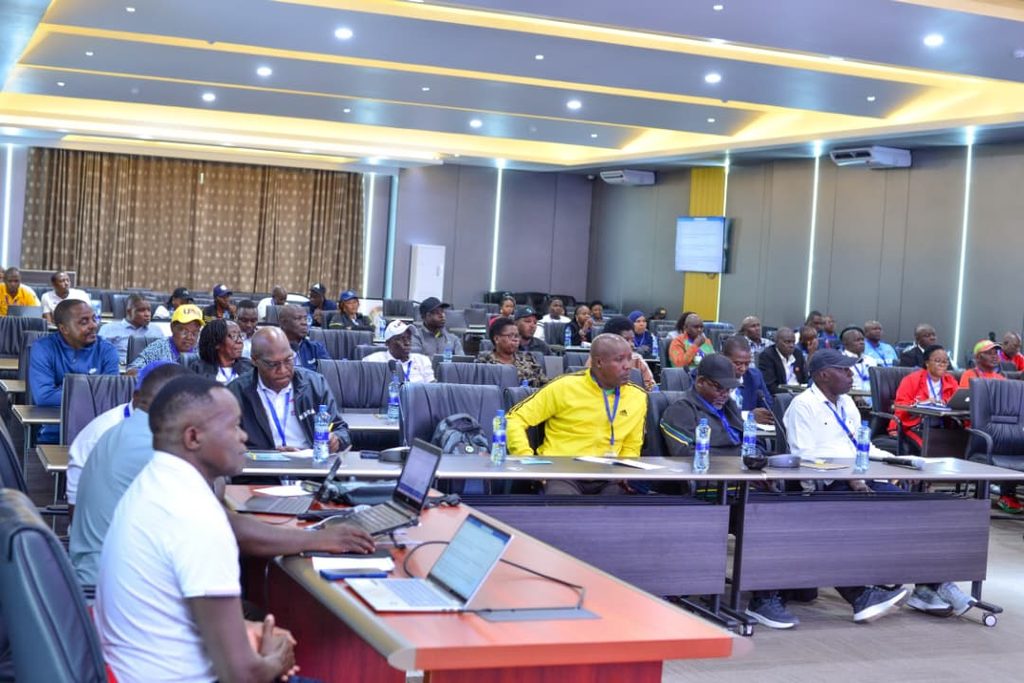
Morogoro, Tanzania | 20 August 2026
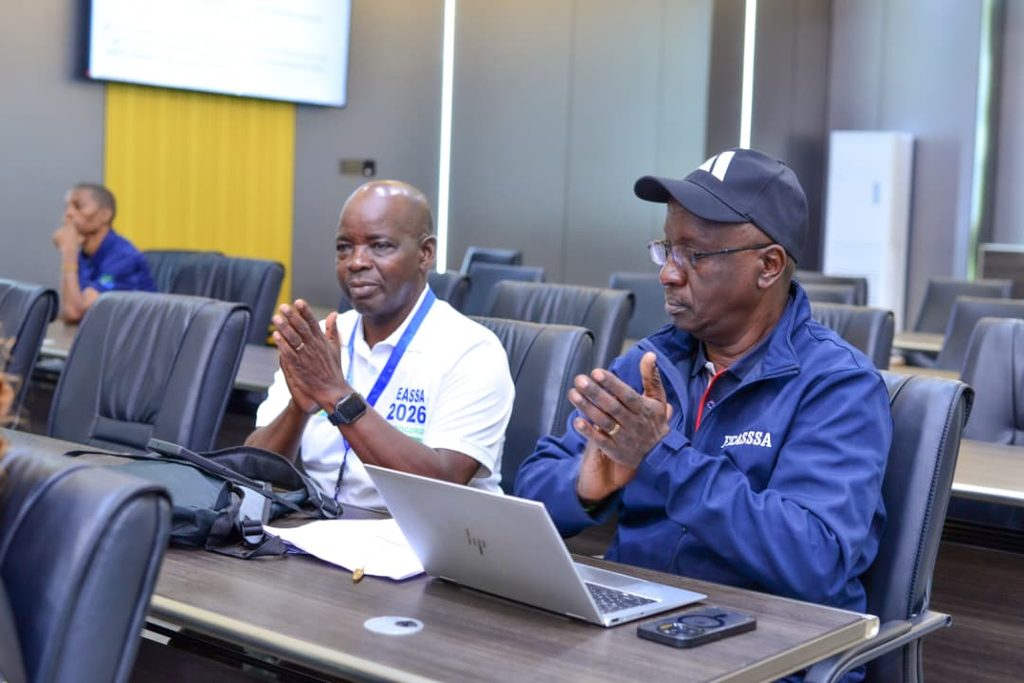
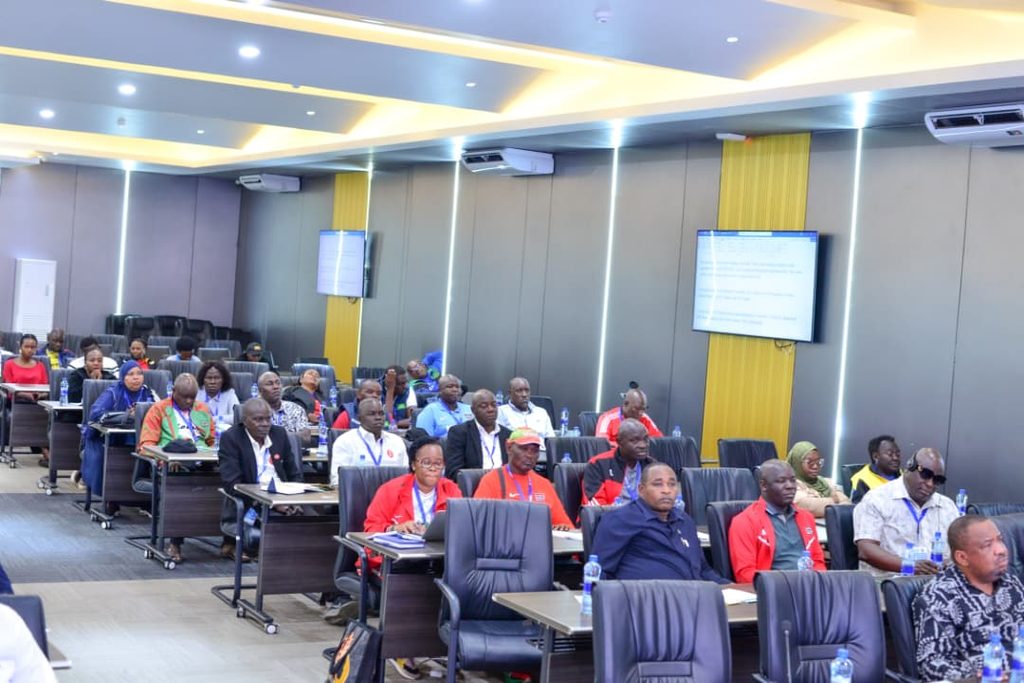
The 23rd FEASSA Games in Morogoro, Tanzania, has provided a platform for more than competition as school sports leaders and education officials from across East Africa convened for the FEASSA Symposium to explore strategies for strengthening sports talent development from school level to regional and global excellence.
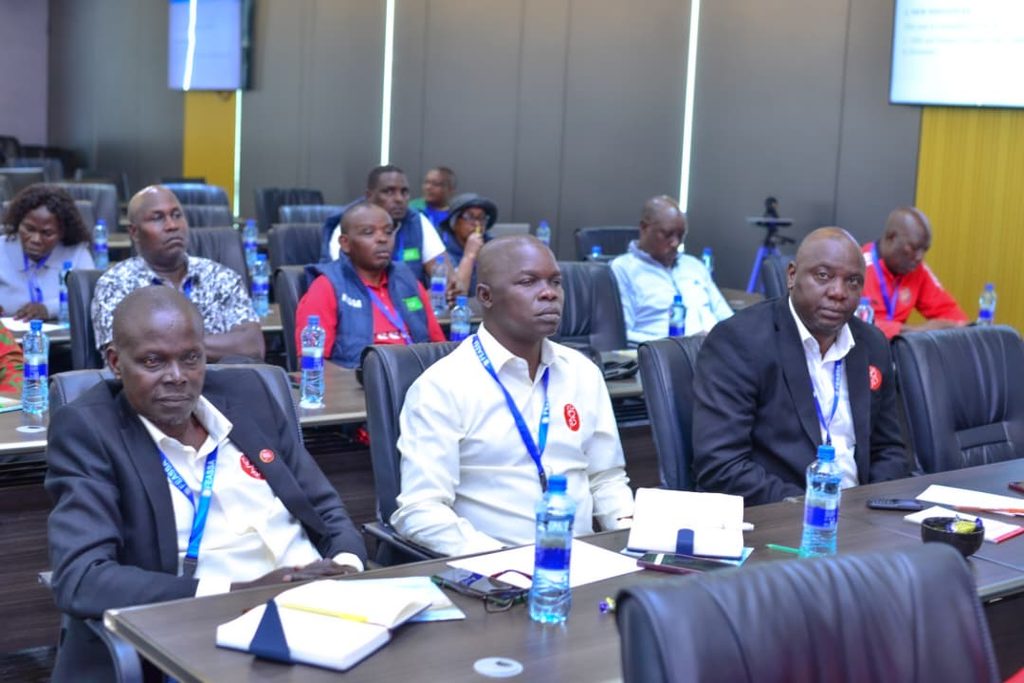
Held at Café Hotel, Morogoro, the symposium was held under the theme “Sports Talent Development Pathways: From School Sport to Regional and Global Excellence.” It brought together representatives from Kenya, Uganda, Tanzania, Rwanda and Burundi, to share experiences, policies, programmes and practical approaches to developing young sporting talent.
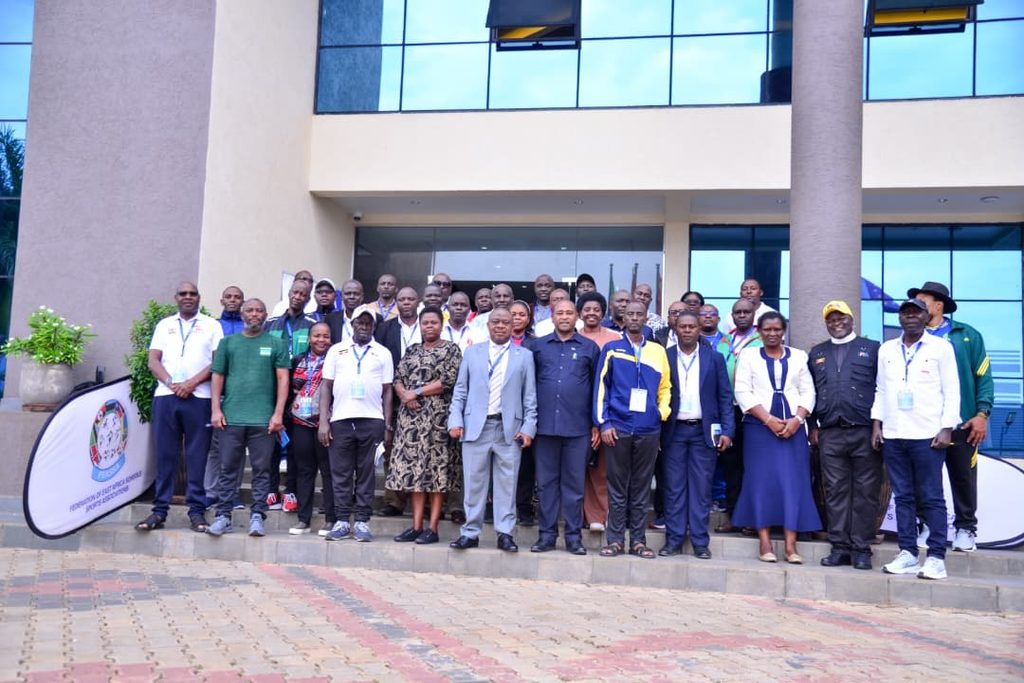
The symposium, held alongside the FEASSA Games since 2019, was officially opened by FEASSA President Mr. Justus Mugisha, following welcome remarks by Mr. Denis Otieno, President of the Tanzania Secondary Schools Sports Association (TSSA).
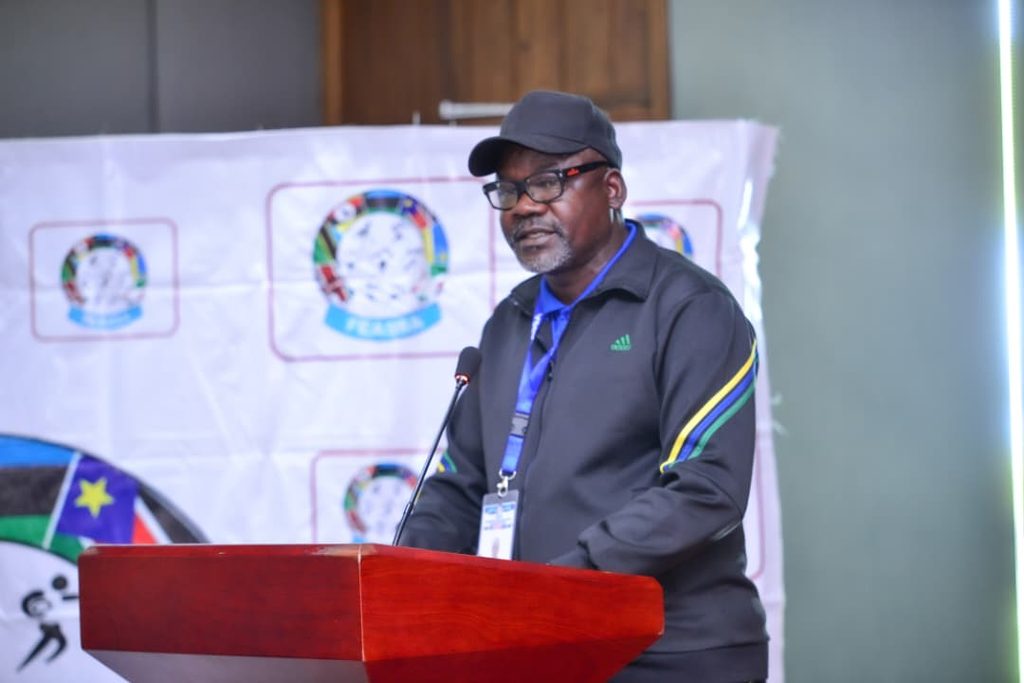
FEASSA President calls for a stronger regional school sports system
In his keynote address, the FEASSA President challenged member countries to move beyond viewing FEASSA as an annual competition and instead use the Games as a foundation for a coordinated East African school sports development system.
He highlighted the scale of the 2026 Games, which have brought together 5,324 student-athletes, 413 teams and competitions across primary, secondary and Special Needs Education (SNE) categories.
The President noted that the increased participation of Primary and SNE athletes represents a significant evolution of the FEASSA model, with the two categories now receiving equal recognition and support alongside secondary school sport.
He also called for stronger athlete welfare and data systems, including the establishment of a FEASSA regional talent database, as well as stronger National School Sports Associations capable of effectively representing Primary, Secondary and SNE sport.
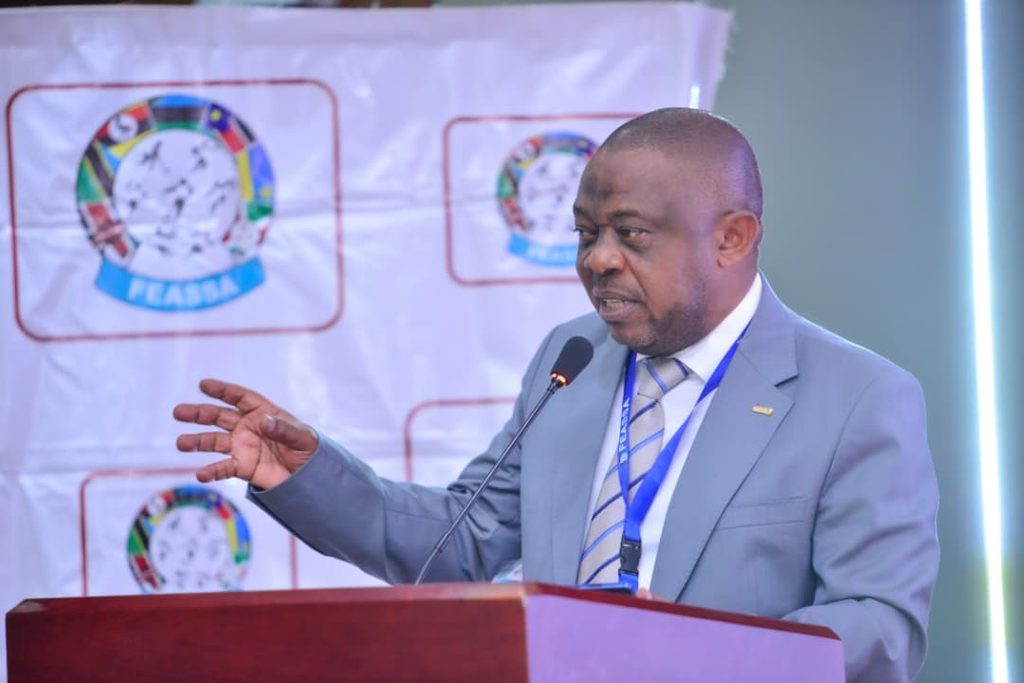
Experts share national experiences and talent development strategies
The symposium featured presentations from education, sports science and school sports leaders from across the region, giving participating countries an opportunity to showcase their approaches to talent identification, development and school sport programming.
The opening technical presentation was delivered by Dr. Alfa Simwanza, PhD, Lecturer at the University of Dar es Salaam in the Sports Science Department, who addressed “Success Factors and Pitfalls in Youth Sports Talent Identification and Development – Tanzania.”
His presentation examined the conditions necessary for identifying promising young athletes and developing them through structured and sustainable pathways, while also highlighting potential challenges that can hinder talent progression.
Representing Rwanda’s Ministry of Education, Mrs. Mbazi Olivia presented Rwanda’s school sports initiatives, providing insight into the country’s approach to using school sport as a platform for participation, talent development and youth development.
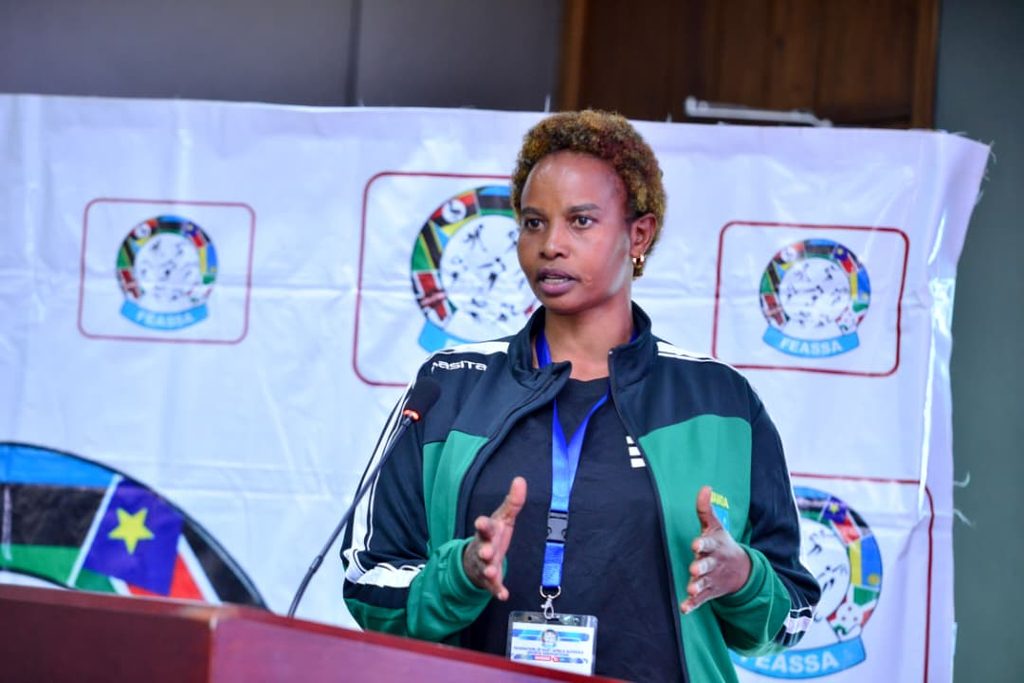
Uganda’s school sports system was presented by Rev. Canon Dr. Mugumya Duncan, Commissioner for Physical Education and Sports, who shared the country’s programmes and approaches to developing school sport and creating opportunities for young athletes.
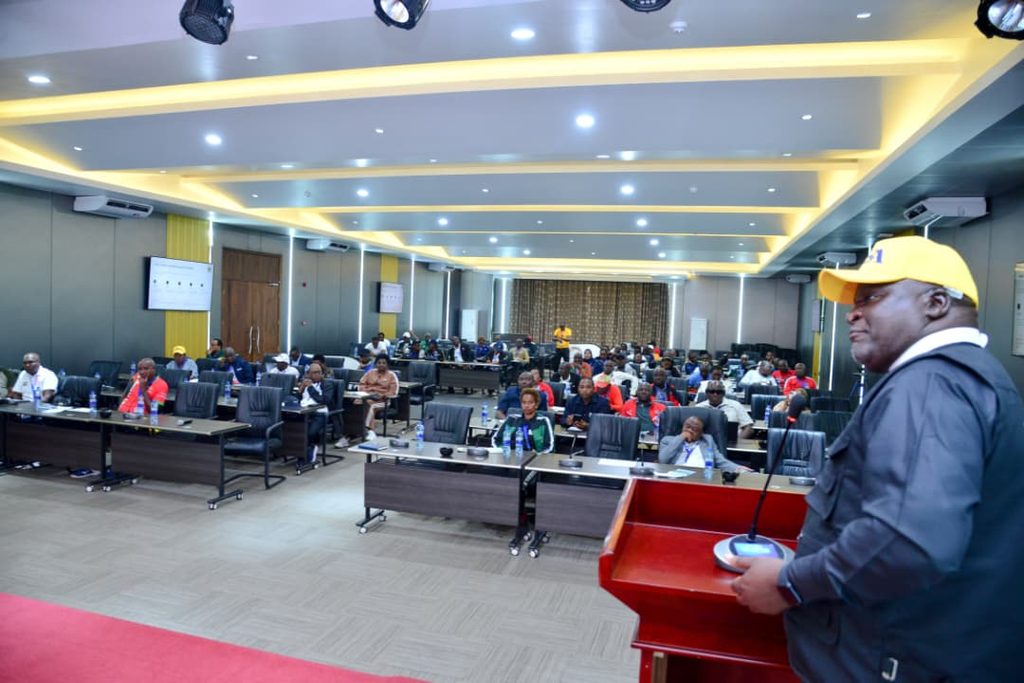
The technical programme continued with Dr. Cyprian Maro, PhD, Lecturer in the Sports Science Department at the University of Dar es Salaam, who presented on “Sports Activities for Sports Talent Development.” His presentation focused on the role of structured sporting activities in developing athletes and creating a stronger foundation for long-term performance.
Burundi’s school sports initiatives were presented by Mr. Burukiyeye Hermenegilde, Permanent Secretary, National Education and Scientific Research, who shared the country’s experience and priorities in developing school sport.
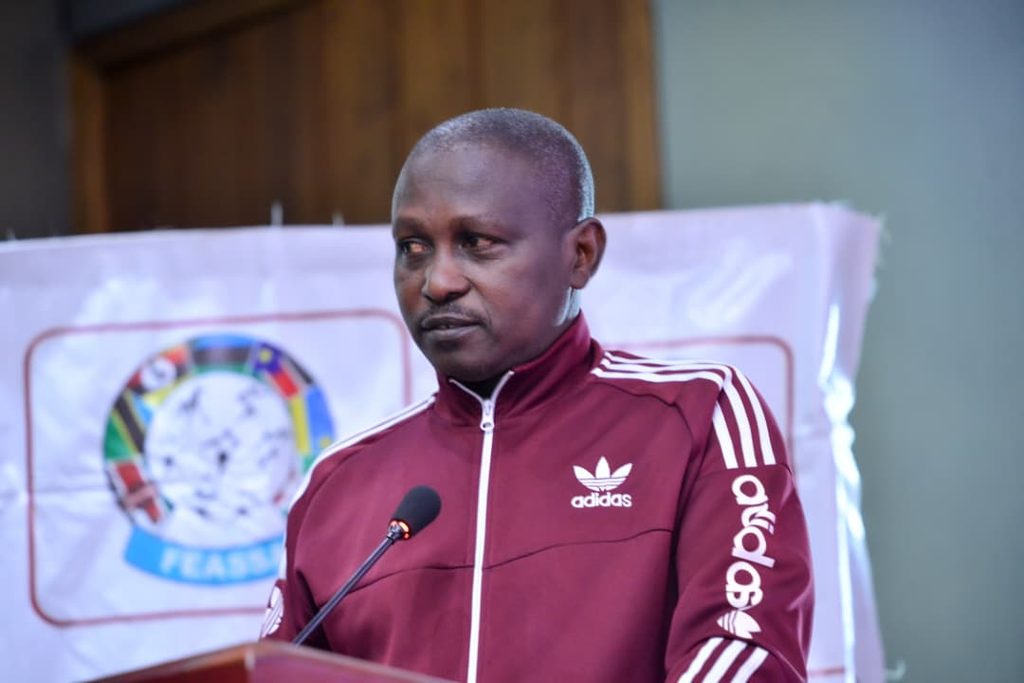
Representing Kenya, Mrs. Mary Muluu, Director, Quality Assurance & Standards, presented Kenya’s school sports initiatives, contributing the Kenyan perspective to the regional discussion on strengthening school sport systems and talent development pathways.
The symposium also incorporated an educational tourism component, with Dr. Charles Lymo, Lecturer, leading a session on Sokoine University of Agriculture Adventure (SUA).
The case for harmonising East African school sport
A central issue emerging from the symposium was the need for greater coordination of school sport systems across the five FEASSA member countries.
Although Kenya, Uganda, Tanzania, Rwanda and Burundi are all members of the East African Community, differences in school calendars, examination periods, holidays and financing continue to create challenges for regional sporting competitions.
The FEASSA President called for two EAC sports windows each year free from national examinations, overlapping holiday periods for regional co-curricular activities, mutual recognition of National School Sports Associations and harmonised minimum financing for school sport.
He argued that a more harmonised education and sports environment would make it easier for young athletes to participate in regional competitions without compromising their education.
From national champions to the world stage
Another key discussion focused on strengthening the pathway from national school competitions to FEASSA and ultimately to international school sport.
The FEASSA President called for greater consistency in team representation, particularly in team sports, arguing that the school teams that earn qualification should have the opportunity to represent their countries and East Africa at higher levels.
He proposed that bonafide school teams that win nationally should compete at FEASSA, while FEASSA champion school teams should have the first right to represent East Africa at relevant International School Sport Federation (ISF) and Federation of African School Sports (FASS) competitions.
The objective is to ensure that athletes develop within established teams over time rather than being brought together shortly before international competitions.
“From FEASSA to the World, the badge on the chest must be the same.”
East Africa urged to host international school sport events
The symposium also looked beyond participation and challenged East Africa to position itself as a host of major international school sports events.
The FEASSA President called on member countries to identify and pursue bids for FASS Games, ISF World School Championships, ISF Beach Games, ISF Cross Country and the Gymnasiade over the next four years.
Hosting international competitions would, he noted, stimulate investment in school sports infrastructure, generate economic activity, promote tourism and give East African athletes the opportunity to compete against the world’s best on home soil.
The successful hosting of major sporting events in the region, including preparations for AFCON 2027, was cited as evidence that East Africa has the capacity to deliver international sporting events through regional cooperation.
A platform for regional learning and collaboration
The Officials Symposium demonstrated the value of bringing school sports decision-makers together while the FEASSA Games are taking place.
Through presentations, panel discussions, networking and the sharing of country experiences, officials were able to examine different approaches to talent identification, athlete development, school sport policy, quality assurance, sports science, inclusion and competition management.
The symposium’s panel discussion further provided an opportunity for participants to reflect on the presentations and identify areas requiring stronger regional cooperation.
Investing in the future of East African sport
The discussions reinforced the importance of sustained government investment in school sport and National School Sports Associations.
The FEASSA President emphasised that investment in school sport delivers benefits extending beyond sporting achievement, including health, discipline, social cohesion, talent development and regional integration.
With more than 5,000 student-athletes participating in Morogoro 2026, FEASSA continues to demonstrate the potential of a cost-effective, school-based regional sports model.
The President noted that FEASSA’s use of school facilities for accommodation and competition, combined with land transportation, makes the Games a distinctive model that is increasingly attracting international interest.
Building the pathway from school to global excellence
The 2026 Officials Symposium reinforced a shared ambition for East African school sport: to create a clear and sustainable pathway through which a young athlete can progress from Primary school sport to Secondary school competition, FEASSA, FASS and ultimately the global stage.
The participation of technical experts and education officials from all five FEASSA member countries demonstrated a growing commitment to learning from one another and strengthening national systems while building a common regional vision.
As the 23rd FEASSA Games continue in Morogoro, the symposium has provided an important platform for shaping what comes next for East African school sport.
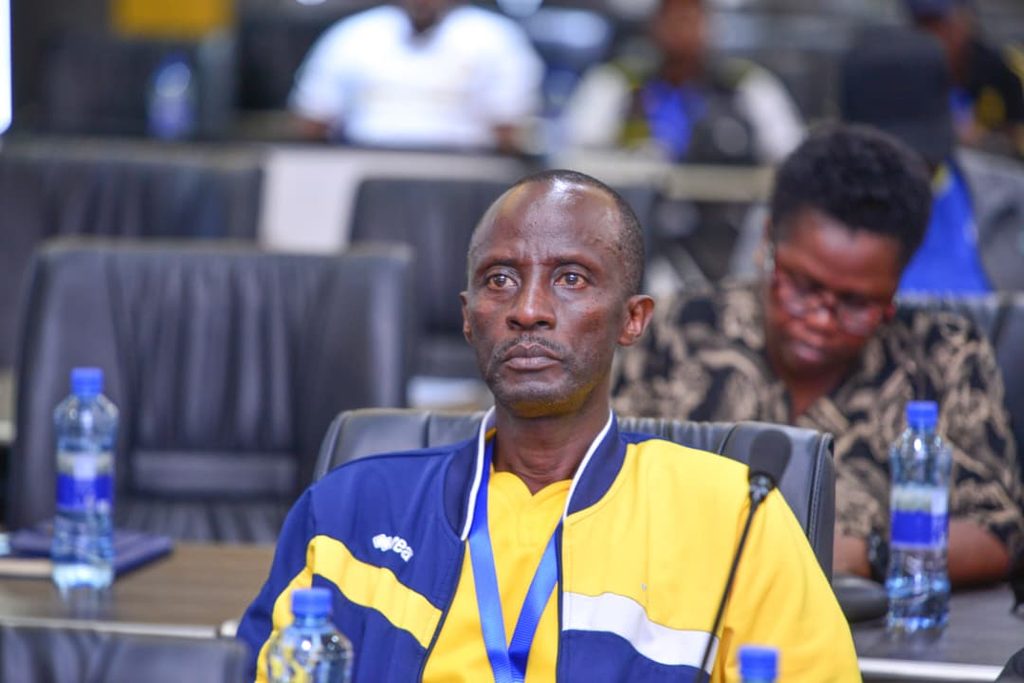
The message is clear: East Africa must not only develop talented athletes; it must build the systems, pathways, competitions and partnerships that allow that talent to reach its full potential.
A step towards a stronger regional system capable of developing athletes, strengthening education through sport and positioning East Africa to compete with—and host—the world.
Tuko pamoja. Asante sana.